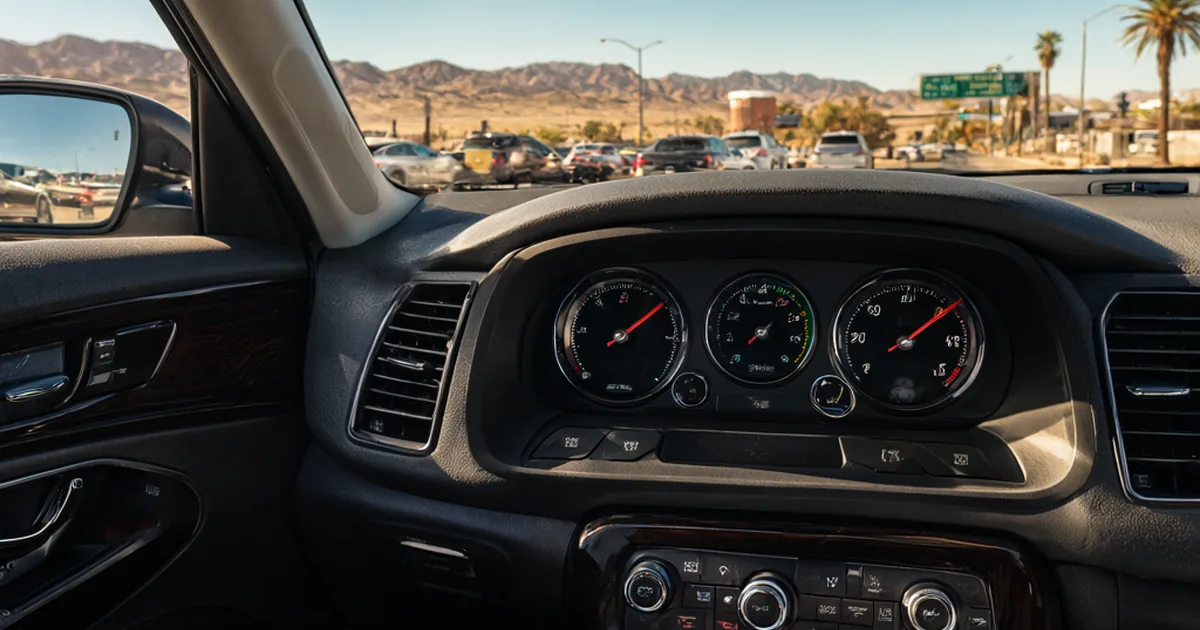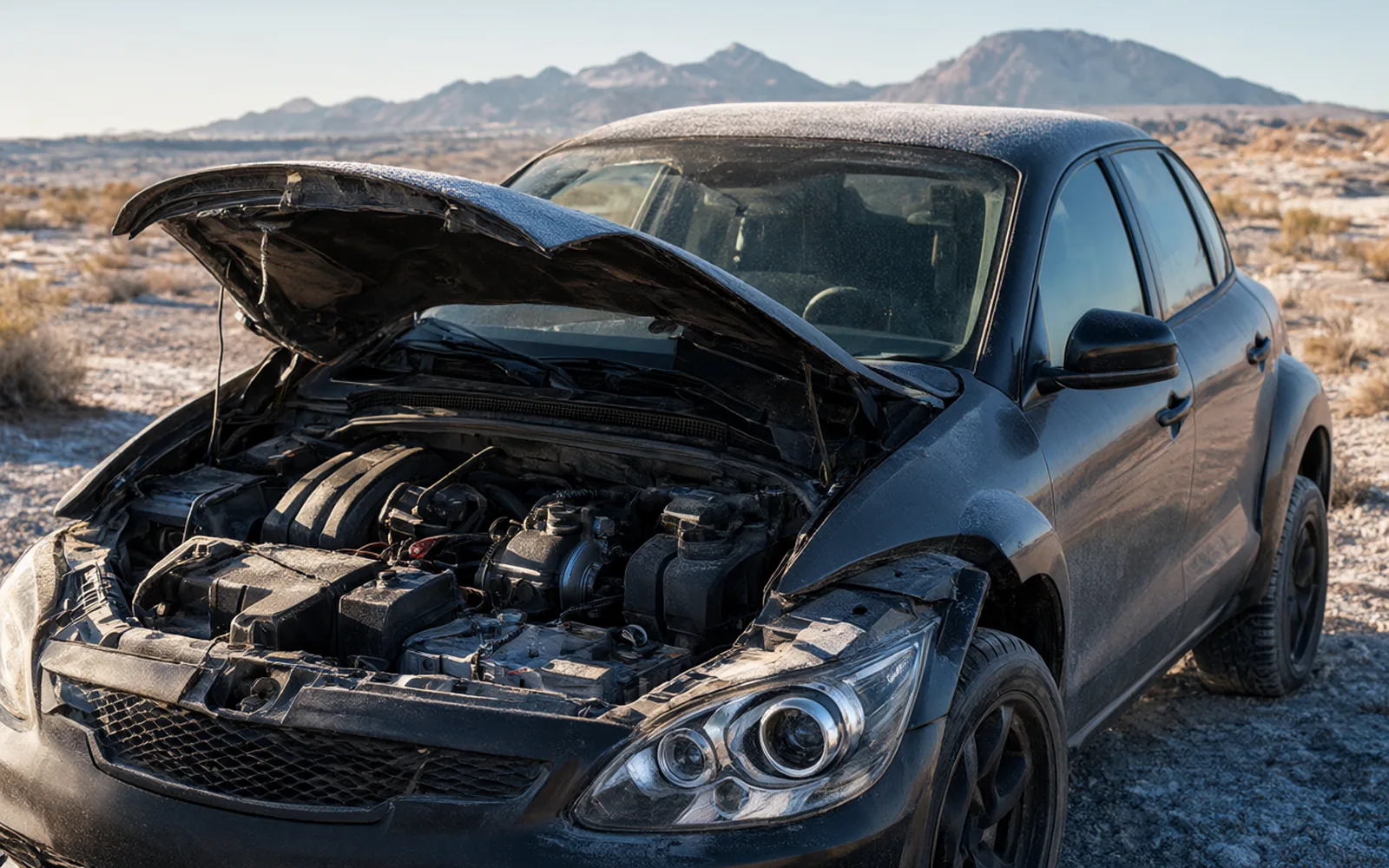
When the mercury drops below 80°F in Las Vegas and your car heater starts blowing cold air, it’s more than just a comfort issue—it’s a sign that something deeper is going on. Especially in our desert climate, where nights can drop well below freezing while daytime temperatures hover around 110°F, your vehicle’s heating system must work efficiently to keep you warm during the colder months. If your heater isn’t blowing warm air, the culprit could be as simple as a low coolant level or as complex as a clogged heater core. Let’s explore these possibilities and how to identify them.
The Desert Heat and Cold Air Problem
In Las Vegas, where the sun can dominate for hours and temperatures swing dramatically from day to night, your car’s heating system is often tested in ways it might not be in other climates. When you’re driving through neighborhoods like Summerlin or North Las Vegas, the expectation is that your vehicle can handle both the heat of the day and the chill of the evening. If your heater starts blowing cold air, especially when you’re idling at stoplights or waiting for a ride-share in Spring Valley, it’s time to consider what’s going on under the hood.
One common issue is an improperly functioning thermostat. The thermostat regulates the flow of coolant through your engine, and if it fails to open properly, your engine may not reach the optimal operating temperature needed to generate heat. This problem often becomes more noticeable when you’re idling because the engine doesn’t have the same workload as when you’re driving.
Another possible cause is a clogged heater core. This component is essentially a small radiator that uses hot coolant from your engine to warm the cabin. If it’s clogged with debris or internal corrosion, it can’t transfer heat effectively, leading to cold air coming out of the vents. In our area, where the air is dry and dusty, this issue can be exacerbated by particulate matter entering the system over time.
Symptoms vs. Likely Cause vs. Urgency
| Symptom | Likely cause | How urgent |
|---|---|---|
| Cold air from vents | Low coolant level or clogged heater core | High |
| No heat at idle | Thermostat failure or air pockets in coolant | Medium |
| Warm air when driving | Air pockets or partial clog | Low |
| Foul smell from vents | Clogged heater core or mold buildup | Medium |
These symptoms can help you determine whether the issue is minor or more severe. For example, if your heater only works when you’re driving and not at idle, it could indicate air pockets in the coolant system, which are common in vehicles that have been sitting for long periods.
FAQ
What should I check first if my car heater isn’t blowing warm air?
Start by checking the coolant level. If it’s low, it may be a simple fix to top it off. However, if it’s consistently low or you notice leaks, there might be a more serious issue like a faulty thermostat or a clogged heater core.
Can I fix a clogged heater core myself?
While it’s possible to attempt a flush of the heater core, it can be tricky and requires some mechanical know-how. If you’re not confident in your ability, it’s best to bring your vehicle to a professional shop like BiTurbo Auto Repair for a thorough inspection and repair.
How often should I check my coolant level?
It’s recommended to check your coolant level at least once a month, especially during the winter months when the demand on your heating system is higher.
Bottom line
If your car heater isn’t blowing warm air in Las Vegas, it’s more than just an inconvenience—it can be a sign of underlying issues that need attention. Whether it’s a low coolant level, a clogged heater core, or a faulty thermostat, these problems can affect your comfort and the overall performance of your vehicle.
Schedule online at /contact or call (725) 322-7768 — and visit our services page to learn more about how we can help you keep your car running smoothly through the desert heat and cold winter nights.